We Use CookiesWe use cookies to enhance the security, performance, functionality and for analytical and promotional activities. By continuing to browse this site you are agreeing to our privacy policy

10 Best Hiking Gps 2025 in the United States

How do we rank products for you?

Our technology thoroughly searches through the online shopping world, reviewing hundreds of sites. We then process and analyze this information, updating in real-time to bring you the latest top-rated products. This way, you always get the best and most current options available.

headphones-stars

Our Top Picks

#1

Winner

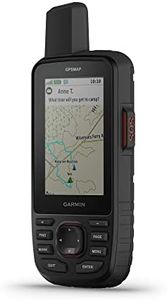
Garmin GPSMAP 67i Rugged GPS Handheld with inReach® Satellite Technology, Two-Way Messaging, Interactive SOS, Mapping

Rating
10.0
Chosen by1,392
Accuracy
Battery Life
Durability

Most important from
318 reviews

Accuracy
Extremely accurate tracking and navigation, even in dense forests or remote areas.
Battery Life
Impressive battery life, lasting several days on a single charge, perfect for multi-day trips.
Durability
Robust and well-built, designed to withstand harsh outdoor conditions.
Screen Size and Readability
Screen resolution is very good, great for navigation and assessment.
User Interface and Ease of Use
Learning curve for the interface, but manageable with the help of YouTube videos.

The Garmin GPSMAP 67i is a highly capable handheld GPS device designed specifically for hiking and outdoor adventures. One of its standout features is its impressive battery life, offering up to 165 hours in tracking mode and 425 hours in expedition mode, which is excellent for long trips. The device's large 3-inch sunlight-readable color display ensures that you can easily view maps and data, even in bright conditions. Additionally, it supports advanced mapping and navigation features, including preloaded TopoActive maps and multi-band GNSS support, making it reliable for getting accurate location data in various terrains.

The GPSMAP 67i also comes equipped with inReach satellite technology, allowing for two-way messaging and SOS capabilities via the global Iridium satellite network, which can be a lifesaver in emergency situations when cellular coverage is unavailable. The potential to pair it with a smartphone for weather updates and geocaching adds to its versatility.

However, there are some drawbacks to consider. While the device is robust and built for outdoor use, its weight of 8.1 ounces may be a bit heavy for some users who prefer lighter options for long-distance hiking. The user interface, while straightforward, might still require some getting used to for those unfamiliar with GPS devices. Furthermore, using the inReach features necessitates an active subscription, which can add to the overall costs.

Rating
10.0
Chosen by1,392
Accuracy
Battery Life
Durability

Most important from
318 reviews

Accuracy
Extremely accurate tracking and navigation, even in dense forests or remote areas.
Battery Life
Impressive battery life, lasting several days on a single charge, perfect for multi-day trips.
Durability
Robust and well-built, designed to withstand harsh outdoor conditions.
Screen Size and Readability
Screen resolution is very good, great for navigation and assessment.
User Interface and Ease of Use
Learning curve for the interface, but manageable with the help of YouTube videos.
#2

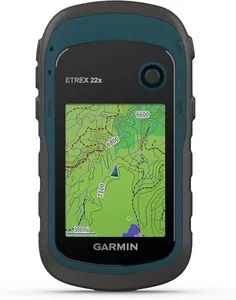
Garmin 010-02256-00 eTrex 22x, Rugged Handheld GPS Navigator, Black/Navy

Rating
9.1
Accuracy
Battery Life
Durability

Most important from
1963 reviews

Accuracy
Works great and very accurate.
Battery Life
Continues to use AA batteries which are available virtually anywhere on earth.
Durability
A solid workhorse, durable, and reliable.
Screen Size and Readability
Solid unit with an easy-to-read display.
Mapping and Navigation Features
Receives signals strongly even if the unit is sideways or upside-down.
User Interface and Ease of Use
User interfaces are simple, easy to understand, and easily operated with the side buttons and joystick.
Connectivity
Lacks external connectivity like Bluetooth or Wi-Fi.

The Garmin 010-02256-00 eTrex 22x is a solid choice for hikers who need a reliable handheld GPS. One of its standout features is the 2.2-inch color display, which remains readable even in sunlight, making it easy to check your location during bright days. The device is preloaded with Topo Active maps which are great for both hiking and cycling, providing detailed routes and trails.

It supports both GPS and GLONASS satellite systems, enhancing its tracking capabilities in challenging environments that might cause other devices to struggle with accuracy. With 8 GB of internal memory and a micro SD card slot, you have plenty of room for additional map downloads. Its battery life is another plus, offering up to 25 hours of operation on two AA batteries, which is ideal for long day hikes or even short multi-day trips. Weighing just 5 ounces, it’s lightweight and portable, so it won't weigh you down on your adventures.

However, the screen size is relatively small at 2.2 inches, which might be limiting for some users when viewing detailed maps. The user interface relies on physical buttons rather than a touchscreen, which might take some getting used to but can be more reliable in wet or cold conditions. Connectivity options include Bluetooth, although some users might find the lack of more advanced connectivity features like Wi-Fi limiting. The Garmin eTrex 22x is durable, easy to use, and offers robust navigation features, making it a dependable companion for outdoor enthusiasts, though it may have some limitations in terms of screen size and connectivity options.

Rating
9.1
Accuracy
Battery Life
Durability

Most important from
1963 reviews

Accuracy
Works great and very accurate.
Battery Life
Continues to use AA batteries which are available virtually anywhere on earth.
Durability
A solid workhorse, durable, and reliable.
Screen Size and Readability
Solid unit with an easy-to-read display.
Mapping and Navigation Features
Receives signals strongly even if the unit is sideways or upside-down.
User Interface and Ease of Use
User interfaces are simple, easy to understand, and easily operated with the side buttons and joystick.
Connectivity
Lacks external connectivity like Bluetooth or Wi-Fi.
#3

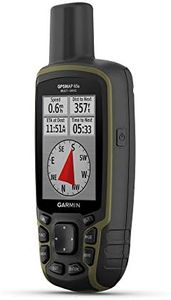
Garmin GPSMAP 65, Button-Operated Handheld with Expanded Satellite Support and Multi-Band Technology, 2.6" Color Display, 010-02451-00

Rating
8.8
Battery Life
Mapping and Navigation Features
Durability and Water Resistance

Most important from
350 reviews

Battery Life
Battery life is commendable, with the option to use standard AA batteries seen as a plus for extending the device's lifespan.
Mapping and Navigation Features
The built-in Garmin active topo maps are well-received, and the ability to upload custom maps adds to the device's versatility.
Durability and Water Resistance
Users appreciate the rugged build and weather-resistant design, which ensures the GPS unit withstands tough outdoor conditions.
Satellite Reception and Accuracy
The Garmin GPSMAP 65 is praised for its outstanding accuracy, often reaching within 6 feet, and its quick satellite acquisition thanks to multi-band and multi-GNSS support.
User Interface and Ease of Use
The dedicated button interface is preferred over touchscreen models, especially in bad weather or when wearing gloves.

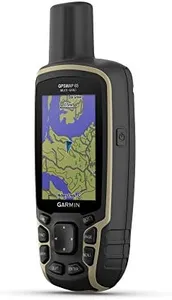
The Garmin GPSMAP 65 is a handheld GPS device designed with hikers in mind, offering several key strengths suitable for outdoor navigation. It features a 2.6-inch color display that is easy to read in sunlight, which is important for visibility during hikes. The expanded GNSS and multi-band technology ensure improved satellite reception and accuracy, making it dependable in challenging terrains like steep areas and dense forests. This is a significant advantage for those who often find themselves in remote, tricky locations.

One of the standout features is the inclusion of routable TopoActive mapping and federal public land maps (limited to the U.S.), which enhances navigation by providing detailed and useful mapping information. The device also supports smart notifications through Bluetooth and ANT+, linking to the Garmin Explore app for managing tracks, routes, and waypoints, which is helpful for planning and reviewing hiking activities.

In terms of durability, the GPSMAP 65 is built to withstand outdoor conditions. The device operates using two AA batteries, which is convenient as they are widely available, but it may fall short in battery life compared to rechargeable options. Navigating the device is button-operated, which can be beneficial in cold or wet conditions where touchscreens may not perform optimally. However, the 160 x 240 resolution might feel outdated compared to modern displays, and some users may prefer a larger screen for detailed maps.

This GPS unit is an excellent choice for hikers who prioritize satellite accuracy and detailed mapping, but may not fully satisfy those who prefer cutting-edge screen technology or longer battery life. With its robust build and reliable navigation features, it appeals to serious outdoor enthusiasts.

Rating
8.8
Battery Life
Mapping and Navigation Features
Durability and Water Resistance

Most important from
350 reviews

Battery Life
Battery life is commendable, with the option to use standard AA batteries seen as a plus for extending the device's lifespan.
Mapping and Navigation Features
The built-in Garmin active topo maps are well-received, and the ability to upload custom maps adds to the device's versatility.
Durability and Water Resistance
Users appreciate the rugged build and weather-resistant design, which ensures the GPS unit withstands tough outdoor conditions.
Satellite Reception and Accuracy
The Garmin GPSMAP 65 is praised for its outstanding accuracy, often reaching within 6 feet, and its quick satellite acquisition thanks to multi-band and multi-GNSS support.
User Interface and Ease of Use
The dedicated button interface is preferred over touchscreen models, especially in bad weather or when wearing gloves.

Buying Guide for the Best Hiking Gps

Choosing the right hiking GPS can significantly enhance your outdoor adventures by providing accurate navigation, tracking, and safety features. When selecting a hiking GPS, it's important to consider various specifications that will best suit your needs and preferences. Here are some key specs to look out for and how to approach them.
Battery LifeBattery life refers to how long the GPS device can operate before needing a recharge or new batteries. This is crucial for long hikes or multi-day trips where access to power sources may be limited. Battery life can range from a few hours to several days. If you plan on short day hikes, a GPS with shorter battery life may suffice. For extended trips, look for models with longer battery life or options for using replaceable batteries.
Display Type and SizeThe display type and size determine how easily you can read the GPS information. Larger screens are easier to read, especially in bright sunlight, but they can make the device bulkier. Smaller screens are more compact and lightweight but may be harder to read. If you have vision difficulties or prefer quick glances at your GPS, opt for a larger, high-resolution display. For those who prioritize portability, a smaller screen might be more suitable.
Mapping and Navigation FeaturesMapping and navigation features include preloaded maps, the ability to download additional maps, and navigation aids like waypoints and route planning. These features are essential for accurately tracking your location and planning your route. Basic models may offer simple breadcrumb trails, while advanced models provide detailed topographic maps and turn-by-turn navigation. Choose a GPS with mapping features that match the complexity of your hikes; simple trails may only need basic navigation, while remote or complex routes benefit from detailed mapping.
Durability and Water ResistanceDurability and water resistance ensure that your GPS can withstand harsh outdoor conditions. Hiking often involves exposure to rain, dust, and rough handling. Look for devices with rugged construction and high water resistance ratings (e.g., IPX7 or higher). If you frequently hike in wet or challenging environments, prioritize models with superior durability and water resistance to ensure reliable performance.
Satellite Reception and AccuracySatellite reception and accuracy determine how well the GPS can pinpoint your location. Good reception is vital in dense forests, deep valleys, or areas with limited sky visibility. GPS devices use different satellite systems like GPS, GLONASS, and Galileo. Models with multi-system support generally offer better accuracy and reliability. If you hike in challenging terrains, opt for a GPS with robust satellite reception and high accuracy to ensure you stay on track.
User Interface and Ease of UseThe user interface and ease of use refer to how intuitive and straightforward the GPS device is to operate. A complex interface can be frustrating and time-consuming, especially in critical moments. Look for models with simple menus, clear instructions, and easy-to-use buttons or touchscreens. If you're not tech-savvy or prefer quick and hassle-free navigation, choose a GPS with a user-friendly interface.
Additional FeaturesAdditional features can include things like altimeters, barometers, compasses, and connectivity options (Bluetooth, Wi-Fi). These features can enhance your hiking experience by providing extra data and connectivity. For example, an altimeter can help you track elevation changes, while Bluetooth connectivity allows for syncing with other devices. Consider which additional features are important for your hiking needs and choose a GPS that offers those functionalities.

FAQ