10 Best Heater For Outdoor Cat House 2026 in the United States

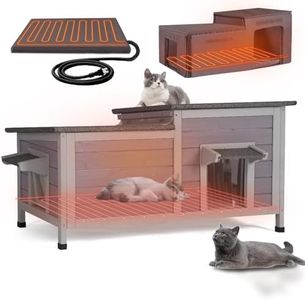
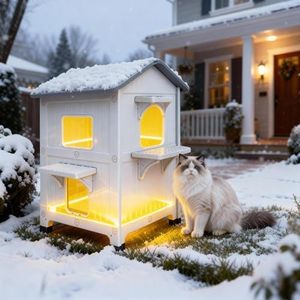
Related Products
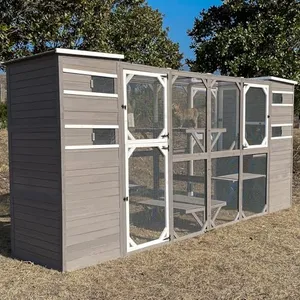
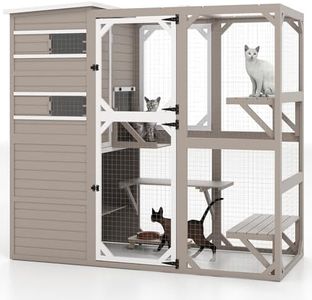

Our technology thoroughly searches through the online shopping world, reviewing hundreds of sites. We then process and analyze this information, updating in real-time to bring you the latest top-rated products. This way, you always get the best and most current options available.

Our Top Picks
Winner
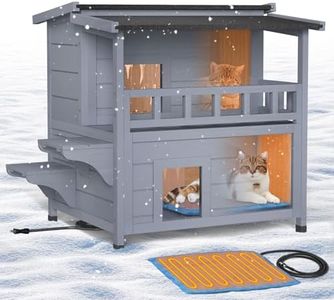
PETIMBER Heated Cat House for Outside - 2 Story Cat Houses for Outdoor Cats, Wooden Outdoor Cat House Weatherproof, Warm Insulated Cat Houses with Balcony, Winter Feral Cat Shelter with Heating Pad
Most important from
58 reviews
The PETIMBER Heated Cat House is designed well for outdoor cats, especially those living in colder climates. Its two-story, three-room layout offers plenty of space for multiple cats to play and rest separately, which is a big plus for multi-cat households or feral cat colonies. The built-in heating pad keeps the interior warm and cozy, supported by thermal insulation on all sides to maintain warmth even in harsh weather. The heating pad cover is machine washable, making maintenance easier.
Weather resistance is solid, thanks to a sloped asphalt roof, protective door overhang, and PVC flaps that help keep rain and moisture out, ensuring a dry, comfortable space inside. Safety is thoughtfully addressed with an observation door for easy monitoring and cleaning, plus an escape door for cats to exit quickly if needed, which enhances their security and freedom. Assembly is required, but the included kit and manual should simplify the process for most users.
Weighing 48 pounds, it’s sturdy yet still manageable to move if necessary. This cat house effectively balances warmth, safety, and weather protection, making it a strong choice for outdoor cats needing shelter during colder months.
Most important from
58 reviews
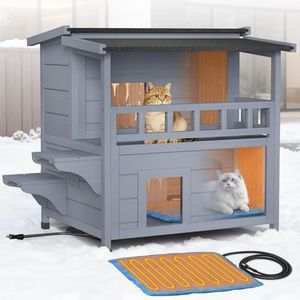
PETIMBER Heated Cat House for Outside - Wooden Outdoor Cat house Weatherproof with Escape Door, 2 Story Insulated Cat Houses, Warm Feral Cat Shelter with Heated Pad, Winter Cat Houses for Outdoor Cats
Most important from
29 reviews
The PETIMBER Heated Cat House offers a thoughtfully designed shelter for outdoor cats, especially during colder months. It provides a spacious two-story layout with separate rooms, allowing multiple cats to rest comfortably and safely. The house includes a reliable 12x16 inch heating pad and strong thermal insulation, helping keep the cats warm even in harsh weather.
Its weather-resistant pine wood construction, asphalt roof, and protective door flaps work well to keep rain and moisture out, enhancing durability and comfort. Safety is considered with an observation door for easy monitoring and cleaning, plus an escape door so cats can quickly exit if needed, which is important for outdoor settings.
Installation requires some assembly due to its size and weight (48 pounds), which could be a bit challenging for some users. The heating pad supports energy efficiency through steady temperature control. This cat house is well suited for owners needing a warm, secure outdoor shelter for feral or pet cats. Its sturdy build and thoughtful features make it a reliable option, although the assembly and weight might require some effort to set up.
Most important from
29 reviews
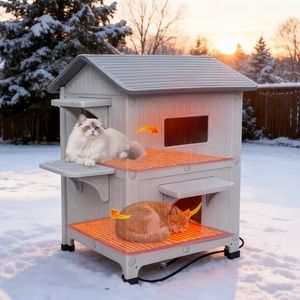
Rockever 2 Story Heated Cat House for Outside in Winter, 100% Waterproof Heated Cat House for Outdoor Cats with Heating Pad, Elevated Outdoor Cat House, Safe Escape Door for Outdoor Cats
Most important from
18 reviews
The Rockever 2 Story Heated Cat House is designed to keep outdoor cats warm and safe during cold months, with thick double-layer walls and a UL-tested heating pad that adjusts temperature automatically. Its strong insulation helps keep heat inside in winter and cool air out in summer, making it a year-round shelter. The house is spacious enough to comfortably fit 3-4 small cats and includes an escape door, which is great for feral cats that may need a quick exit.
Made from durable, waterproof HDPE plastic and featuring a sloped roof with protective strips and a PVC door curtain, it offers solid protection against rain and harsh weather. Cleaning is made easier thanks to its removable roof and side doors. On the downside, the unit requires assembly, which might be a bit challenging for some, and at over 30 pounds, it’s somewhat heavy to move around.
This cat house is a reliable choice if you want a sturdy, weatherproof, and warm home for outdoor cats, especially in chilly climates. However, be prepared for some setup effort and check your power source for the heater.